
UOG Center for Island Sustainability and Sea Grant opens applications for up to $100,000 in research funding
UOG Center for Island Sustainability and Sea Grant opens applications for up to $100,000 in research funding
UOG Center for Island Sustainability and Sea Grant opens applications for up to $100,000 in research funding
11/6/2026
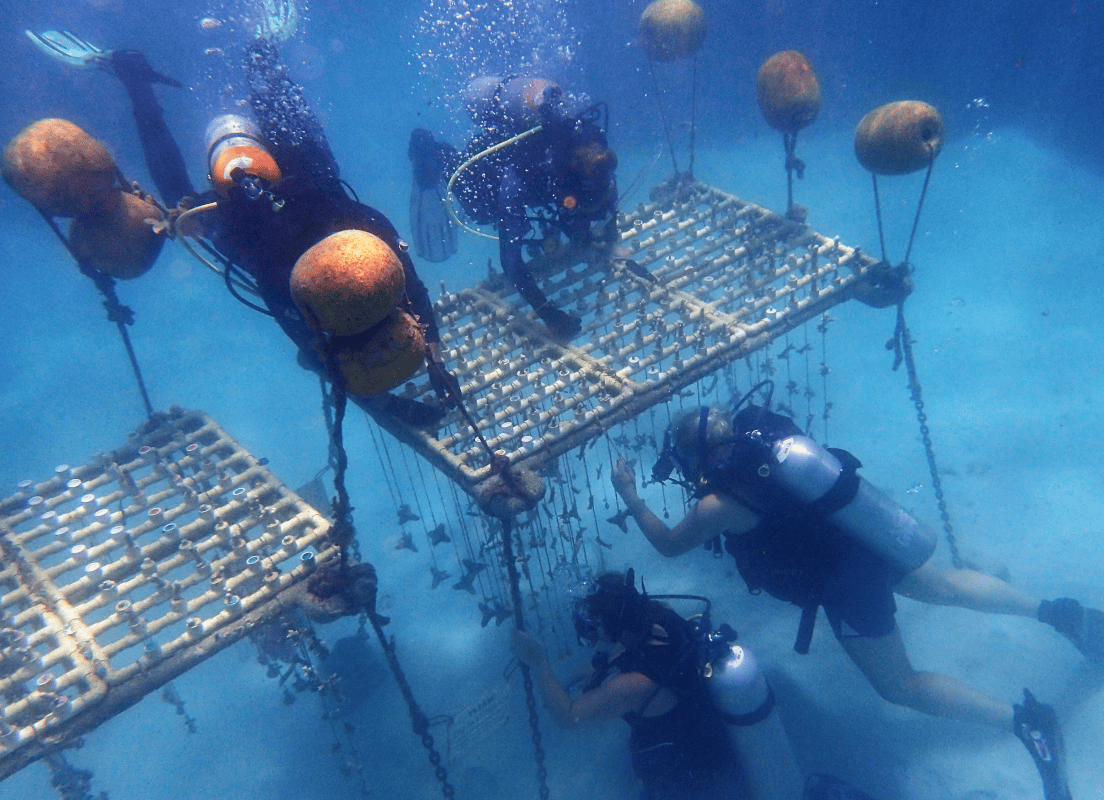
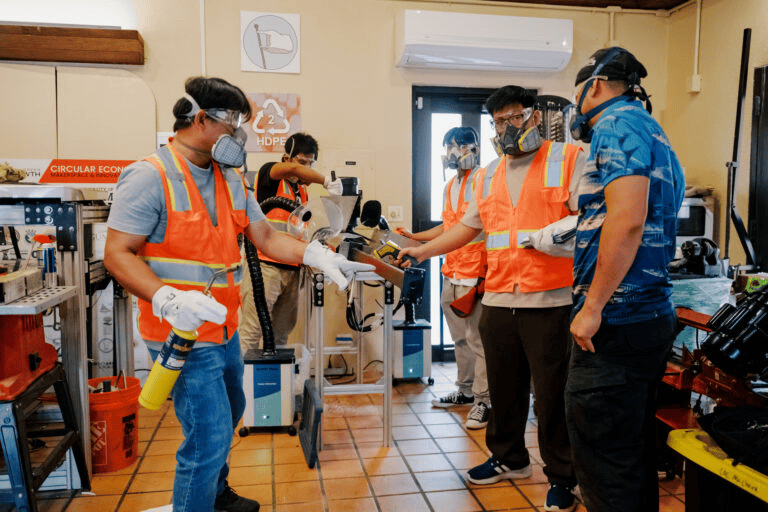
From protecting coral reefs and restoring watersheds to advancing aquaculture and strengthening coastal resilience, the University of Guam Center for Island Sustainability and Sea Grant (UOG CIS & Sea Grant) is calling on researchers to turn innovative ideas into solutions for the Pacific.
The center has officially opened its 2028–2030 Request for Research Proposals, offering up to $100,000 in funding for individual two-year research projects that address some of the region's most pressing environmental and sustainability challenges.
According to Fran Castro, D.B.A., associate director for operations and development with UOG CIS & Sea Grant, the competitive funding opportunity supports research in Guam, the Commonwealth of the Northern Mariana Islands (CNMI), and the Freely Associated States, reinforcing the university's commitment to advancing science that directly benefits island communities.
“One of UOG CIS & Sea Grant’s biggest priorities is funding meaningful and relevant research throughout Micronesia,” said Castro. “Previously funded research has provided new information, scientific discovery and data that can help with the sustainability of our lands, oceans and people.”
With funding available at a maximum of $50,000 per year, selected projects will have the opportunity to conduct scientific investigations, develop innovative approaches, and generate research findings that can help shape a more sustainable future for the region.
Castro says that the funding opportunity focuses on four priority areas that reflect the unique environmental challenges and economic opportunities facing Pacific Island communities.
Priority areas include:
- Aquaculture and Blue Economy Innovation: Research that explores sustainable aquaculture practices and innovative approaches to strengthening ocean-based industries, supporting food security, and creating new economic opportunities.
- Watershed Restoration and Water Quality: Scientific investigations aimed at protecting freshwater resources, restoring degraded watersheds, reducing pollution, and improving the health of interconnected land and marine ecosystems.
- Sustainable Fisheries Management: Research supporting the long-term health and productivity of fisheries, including approaches to conserving marine resources while supporting the communities and livelihoods that depend on them.
- Island Sustainability and Coastal Resilience: Innovative research addressing the environmental pressures facing island communities, including coastal ecosystem protection, circular economy, climate adaptation, and strategies to strengthen community resilience.
Together, these priorities emphasize the importance of developing science-based solutions that respond to the needs of Guam and neighboring Pacific islands.
UOG CIS & Sea Grant Director Austin Shelton, Ph.D., says that as island communities face increasing environmental pressures, scientific research plays a critical role in identifying practical solutions that balance ecological protection, economic development, and community well-being.
“Our people of Micronesia have been doing ‘science’ for thousands of years,” explained Shelton. “Our ancestors charted stars, managed fisheries and lived sustainable lifestyles with research helping to solve everyday problems and needs. Through these funding initiatives, we hope to continue that spirit of discovery among our people.”
Along with funding, the program also provides an opportunity to expand collaboration among researchers, institutions, resource managers, and communities throughout the Pacific.
Interested researchers must submit a letter of intent by November 27, 2026. Following review, if requested, a full proposal will be due no later than February 26, 2027. More information is available at seagrant.uog.edu or via email at research.seagrant@triton.uog.edu.