
New paper traces the roots of the plant life of Micronesia
New paper traces the roots of the plant life of Micronesia
New paper traces the roots of the plant life of Micronesia
8/25/2022
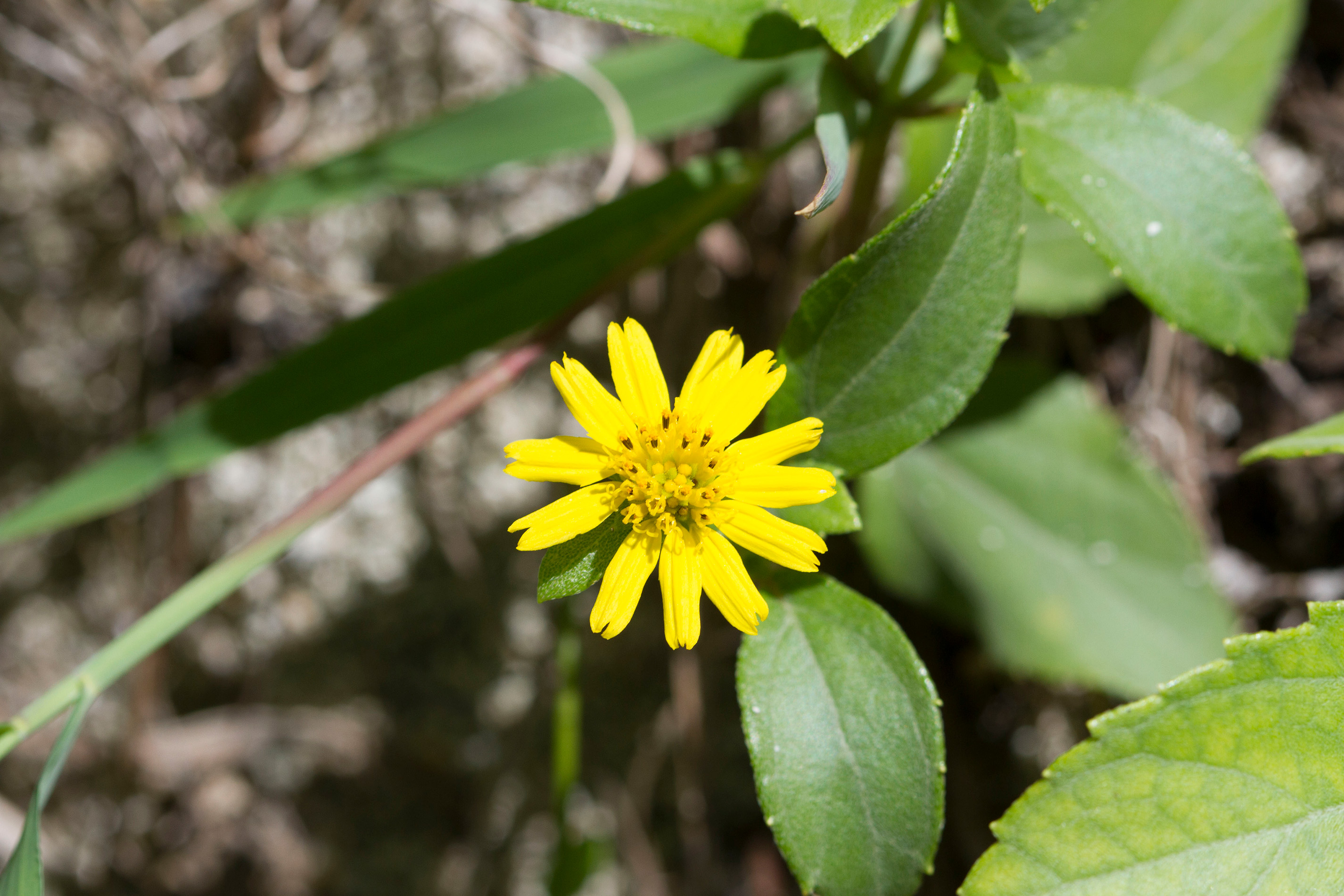
A recently published paper traces the origins of flora in Micronesia using research involving genetic studies and biogeography to ascertain how and when plants began to populate the region.
Dr. Else Demeulenaere and Dr. Stefanie Ickert-Bond reviewed the literature on the ancient formation of landmasses and their changes due to shifting tectonic plates, which resulted in changes in ocean currents as well as the formation and loss of land bridges that provided stepping-stones for species dispersal.
“Our review found that plants in the islands originated in at least four different geographic areas: Austro-Melanesia, Indo-Malaysian, Neotropical America, Africa and Madagascar,” said Demeulenaere, associate director for natural resources at the University of Guam Center for Island Sustainability and Sea Grant. These findings support F. Raymond Fosberg’s hypothesis of the overlap of the Austro-Melanesia flora with the Indo-Malaysian flora.
The long-distance dispersal mechanisms of wind, water, and animals enabled seed dispersal to the islands. Ocean currents, bats and birds were found to be the primary sources of dispersal in the region.
A common plant found throughout Pacific Islands, Morinda citrifolia, also called ladda in the CHamoru language, is believed to have reached the islands of Micronesia from Indo-Malaysian origins brought by birds and prevailing currents.
It is thought that the Wollastonia species, such as our Wollastonia biflora or Masiksik originated in Neotropical America and then established in the Pacific region, while the Pacific representatives from Hernandia, such as Hernandia sonora or Nonnak originated in Australia and dispersed towards our region via ocean currents.
Of the Micronesian genera analyzed, 40% originated in Austro-Melanesia, 30% from Indo-Malaysian origin, and 20% from Neotropical America. Molecular studies illustrate the origin and divergence times of the ancestors of present-day flora in Micronesia.
“This research is essential to help direct conservation efforts throughout Micronesia and will enable students to better understand the biogeographic complexities of the region, which has not been widely studied,” said Ickert-Bond, Professor of Botany, and curator of the herbarium at the University of Alaska Fairbanks.
A better understanding of the many unique island species, a large number of which are only found in Micronesia (endemics) highlights the need for informed conservation work to protect biodiversity in Micronesia.