
Guam land managers convene at UOG to take a science-based approach to forest restoration
Guam land managers convene at UOG to take a science-based approach to forest restoration
Guam land managers convene at UOG to take a science-based approach to forest restoration
1/16/2026
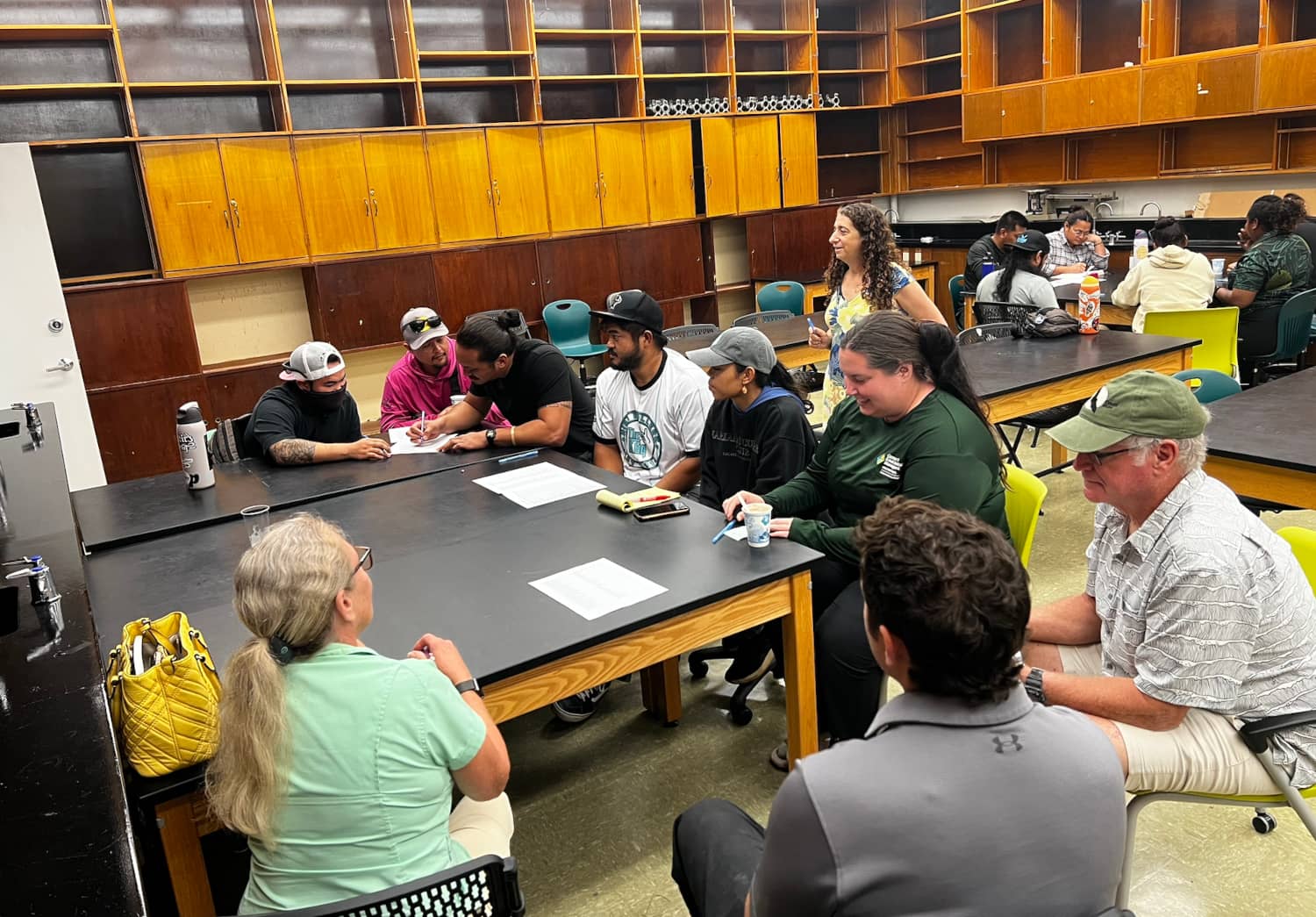
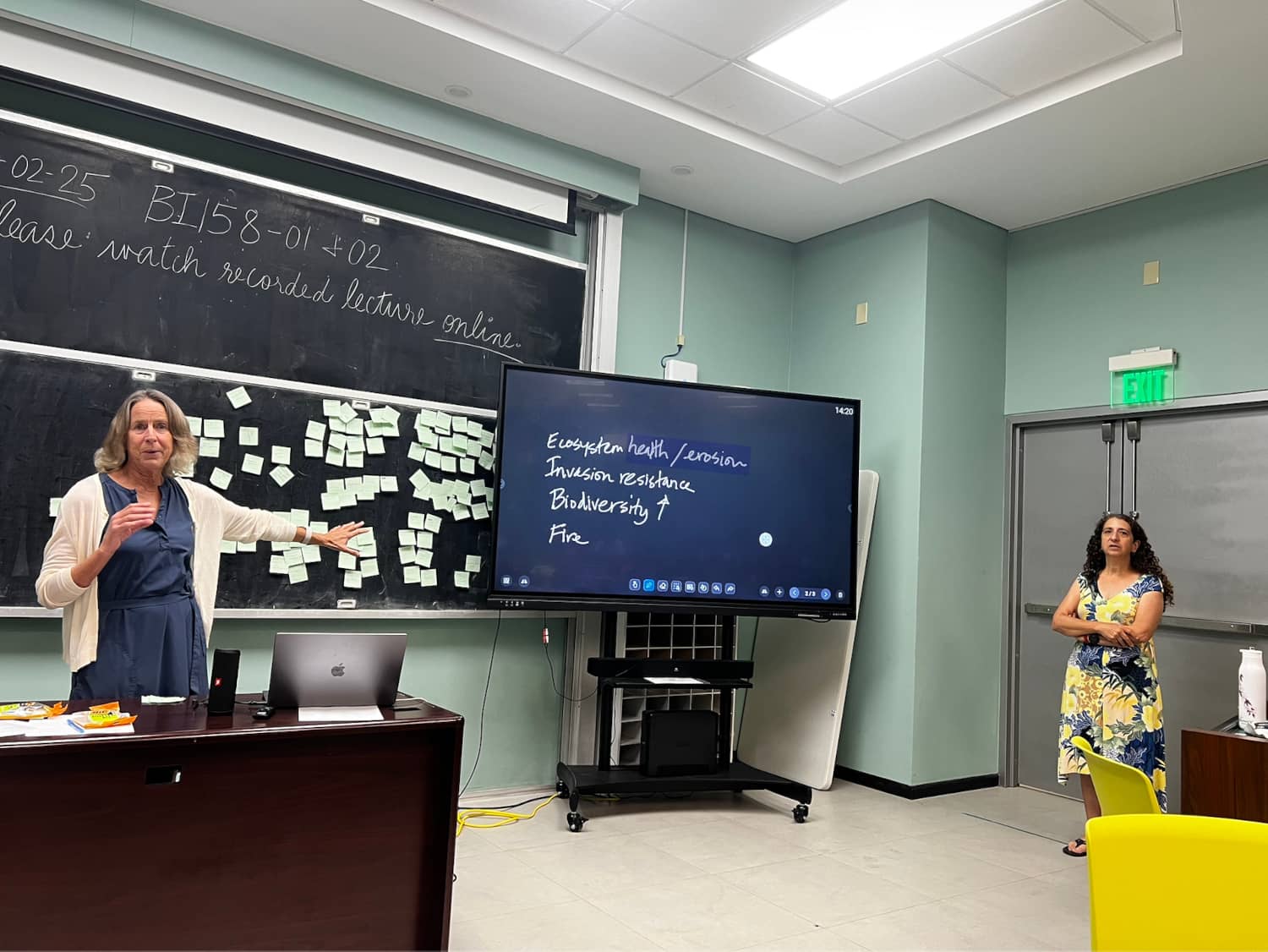
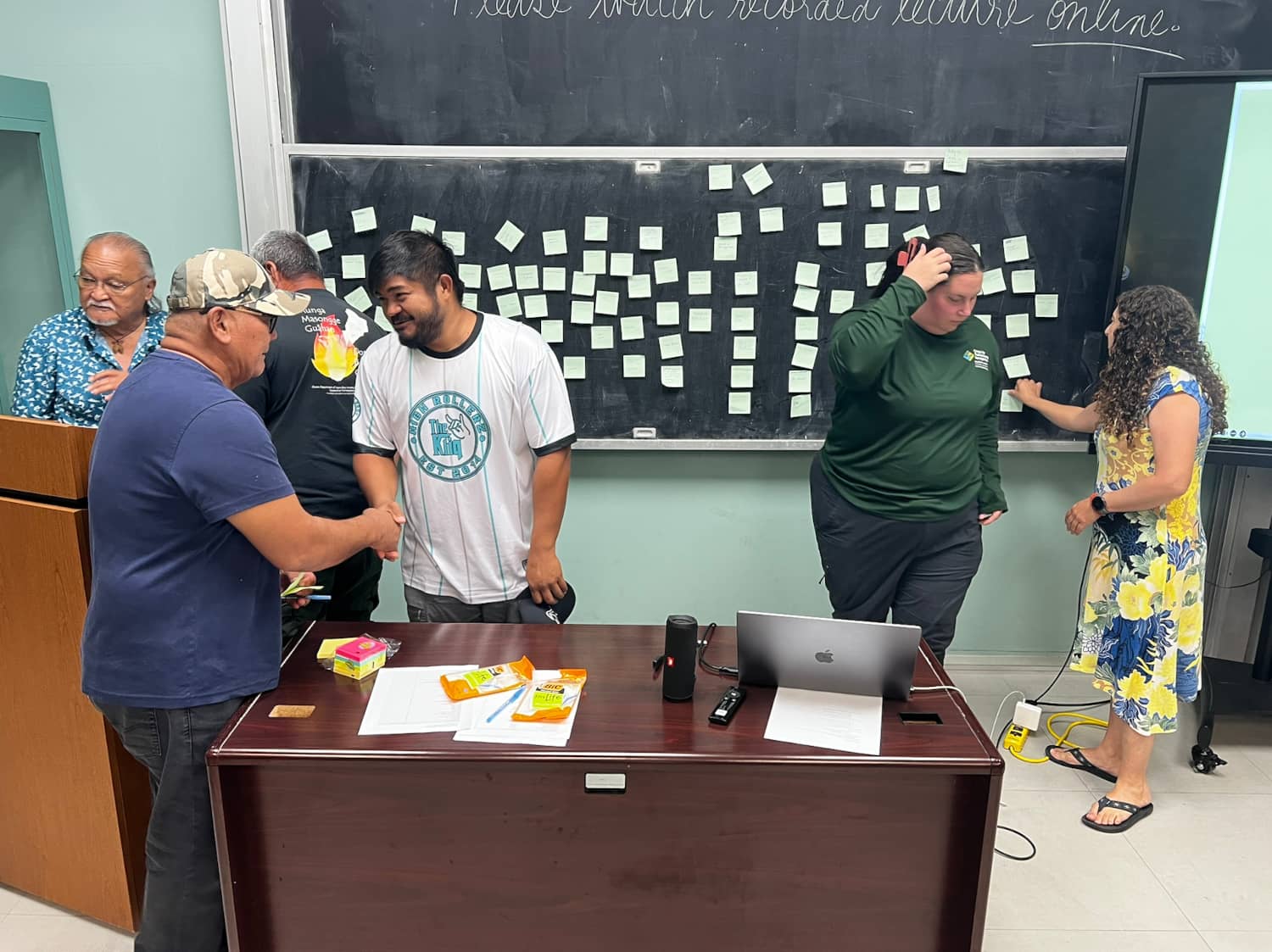
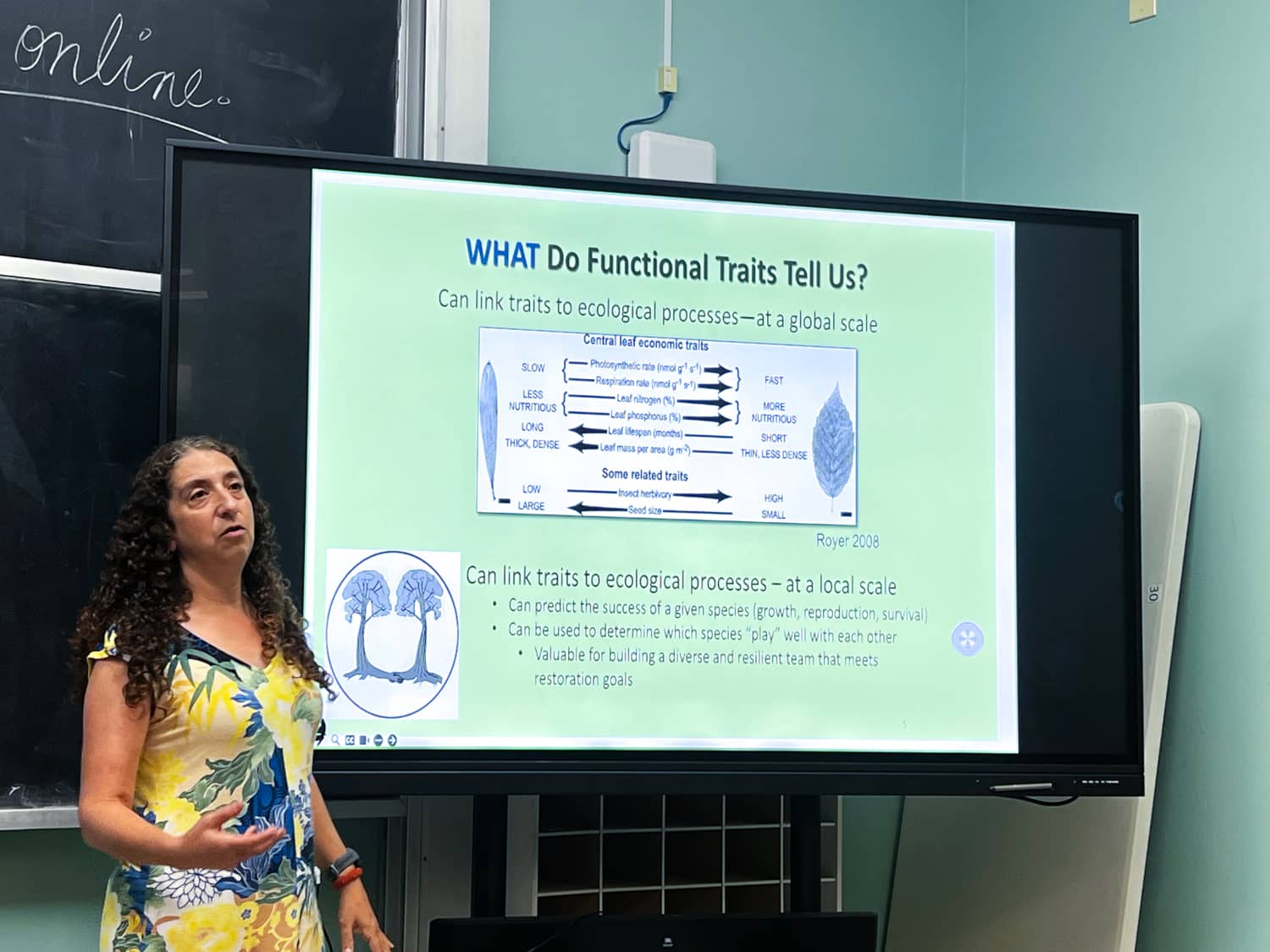
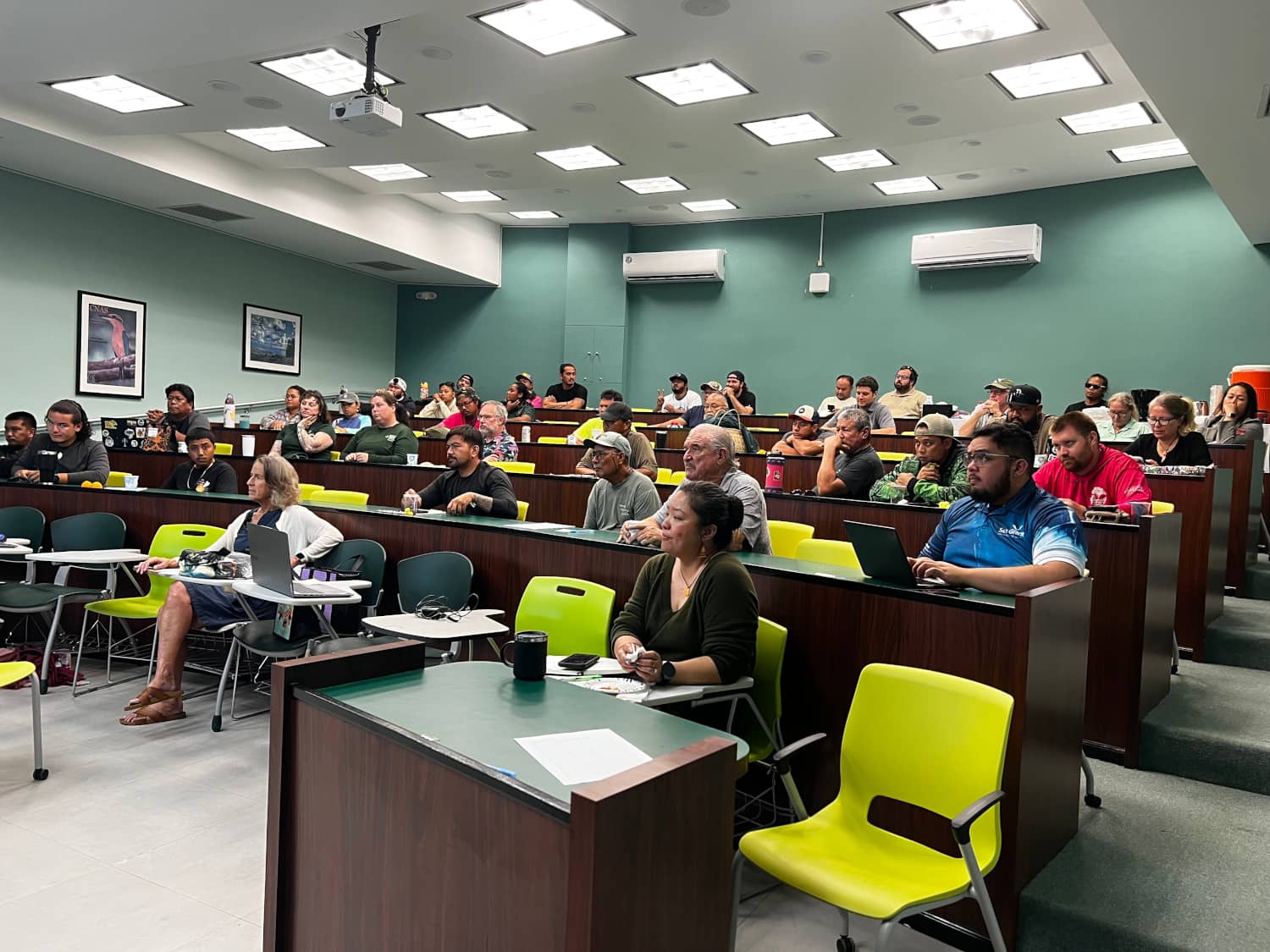
More than 40 land management professionals in Guam gathered at the University of Guam campus on Jan. 7 to identify challenges and potential solutions for forest restoration on the island. Hosted by UOG Land Grant through a grant sponsored by the U.S. Geological Survey Pacific Islands Climate Adaptation Science Center (PI-CASC), the workshop guided participants in a science-based approach to planning forest restoration projects.
The workshop — titled “Using a Functional Trait Approach for Designing and Implementing Resilient Landscapes in Guam” — sought to gather input from Guam’s forestry and land managers on the challenges they face when reforesting degraded landscapes. It was led by research ecologist Susan Cordell of the USDA Forest Service’s Institute of Pacific Islands Forestry and tropical forest ecologist Rebecca Ostertag of the University of Hawaiʻi at Hilo, both of whom have led similar efforts across Hawaiʻi and other Pacific Islands. UOG research faculty Rachel Jolley and Romina King, who work under the UOG Land Grant agInnovation Research Center, serve as co-principal investigators alongside Guam Department of Agriculture Forestry Division Chief Christine C. Fejeran.
Through facilitated discussions and breakout working groups, participants identified key ecological challenges affecting Guam’s degraded habitats as:
- wildfires
- soil erosion
- degraded soils and reduced organic matter
- invasive species
- ungulates
- loss of biodiversity and natural seed dispersers, such as birds and bats
- climate change
- declining water quality
- drought and reduced soil moisture
Based on these challenges, the working groups established some primary forest restoration goals, such as increasing native biodiversity, stabilizing soils and improving water quality, facilitating natural succession, and improving overall ecosystem health. Next, they identified functional traits of trees that could achieve these goals. For example, in fire-prone areas, desirable traits included thick bark, dense wood, and the ability to regenerate quickly through sprouting or seed production.
Using these criteria, participants identified more than 50 native species as strong candidates for restoration across different site conditions. These species will form the basis of a functional traits database for Guam. Cordell and Ostertag will then test the species’ functional traits and publish an analysis that can guide land managers in choosing the most appropriate trees for an area.
Cordell and Ostertag will also determine effective species combinations for a demonstration restoration plot, which is expected to be established near the end of 2026. It will be monitored over the next 10 years to evaluate its resilience to disturbances. The project is being managed by Kyla Tuazon, a 2024 biology graduate from UOG’s College of Natural & Applied Sciences and a fellow with Oak Ridge Institute for Science and Education.
Participating in the workshop were representatives from numerous agencies and organizations, including Guam Department of Agriculture’s Forestry Division, The Nature Conservancy, the Guam Plant Extinction Prevention Program under UOG Land Grant, NAVFAC Marianas, UOG Sea Grant, the U.S. Forest Service, National Park Service, and local landowners and conservation groups.